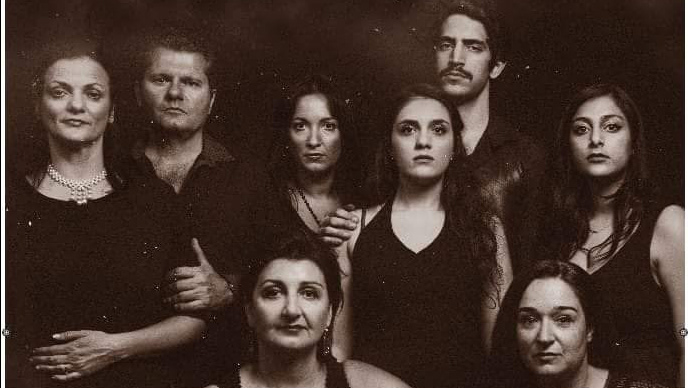
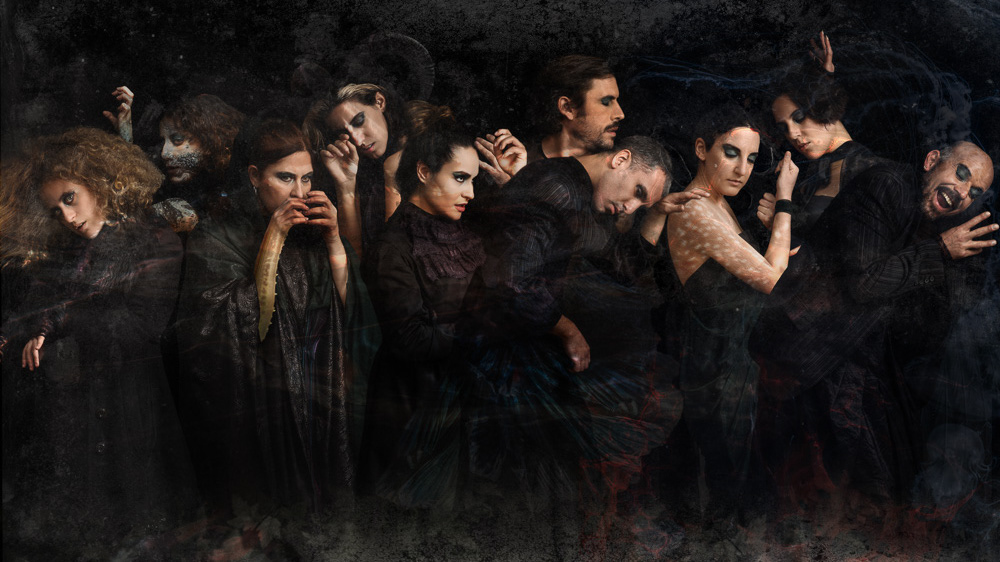
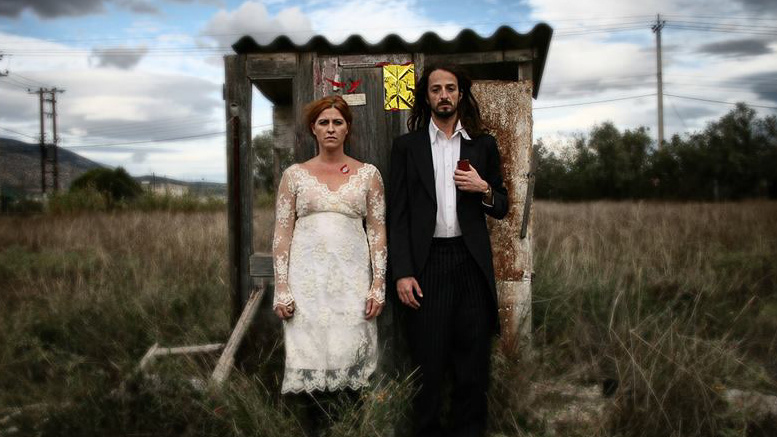
Premiered Nov. 2025 in Athens at "Theater of the NO"
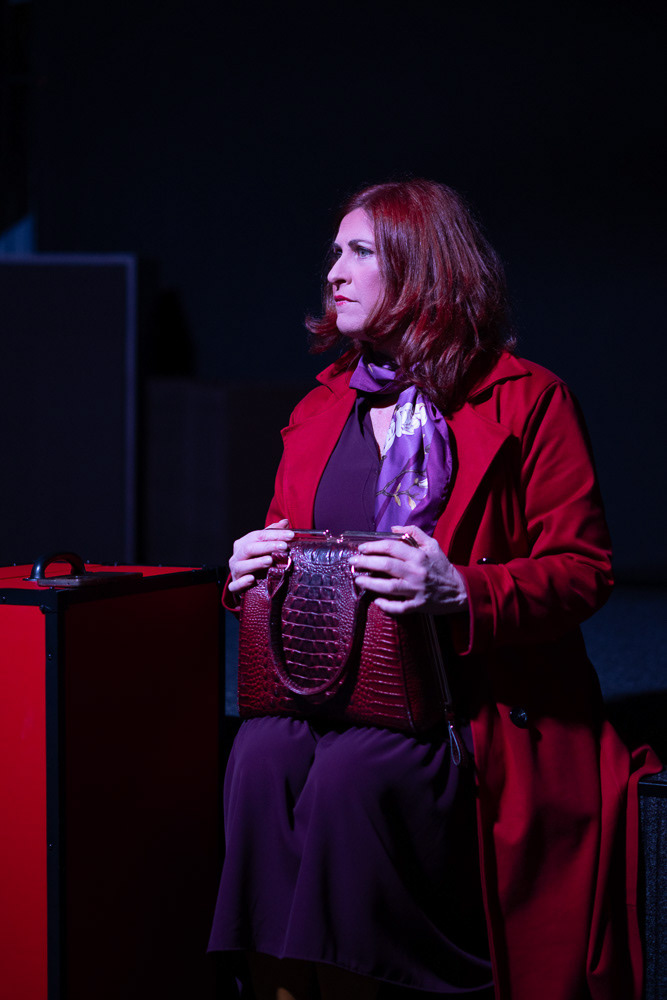
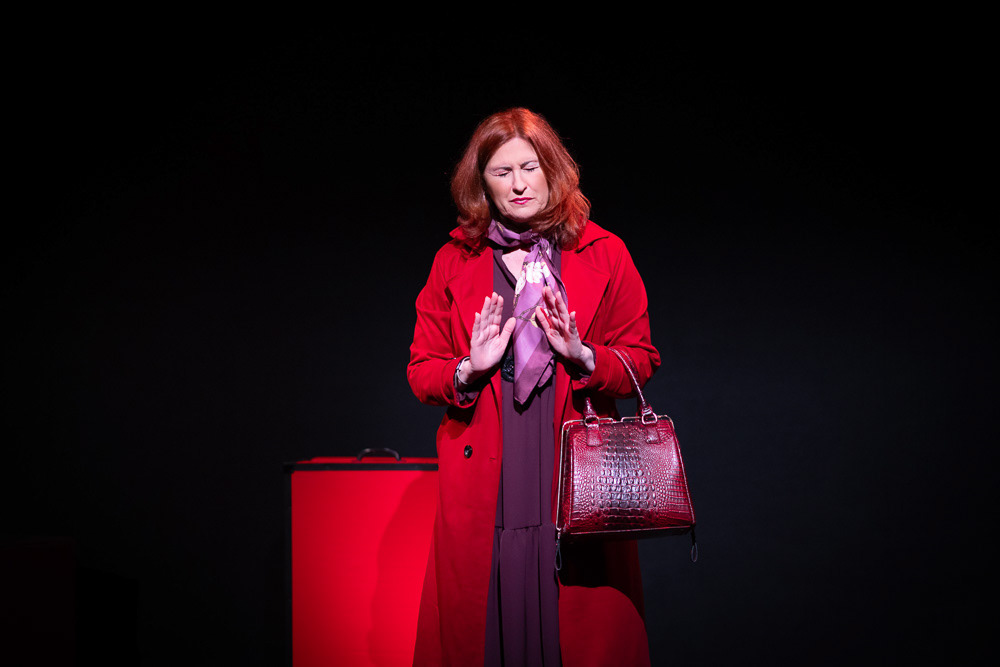
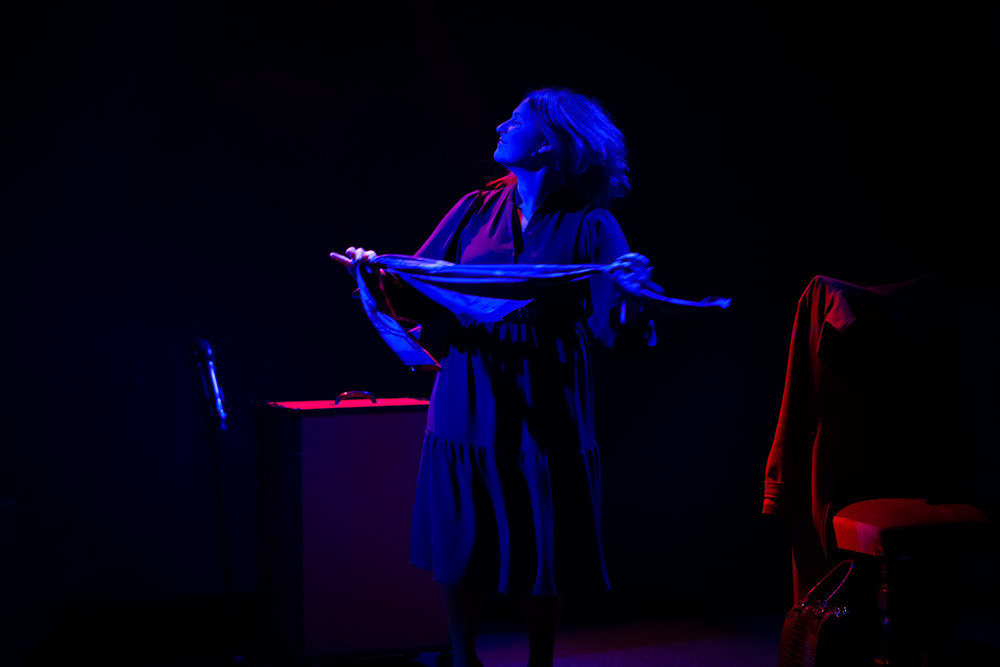
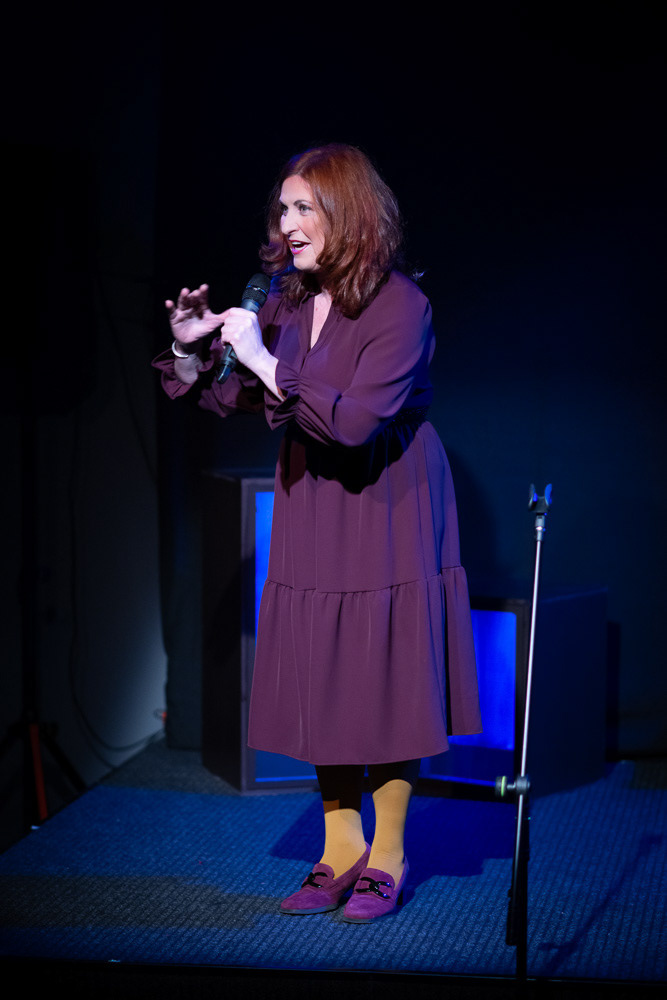
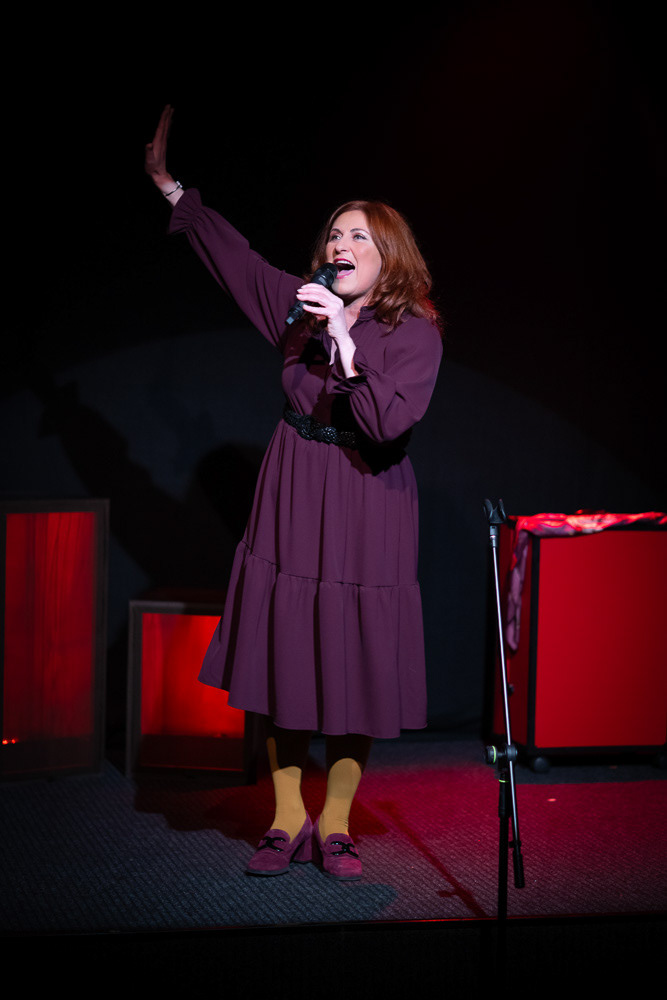
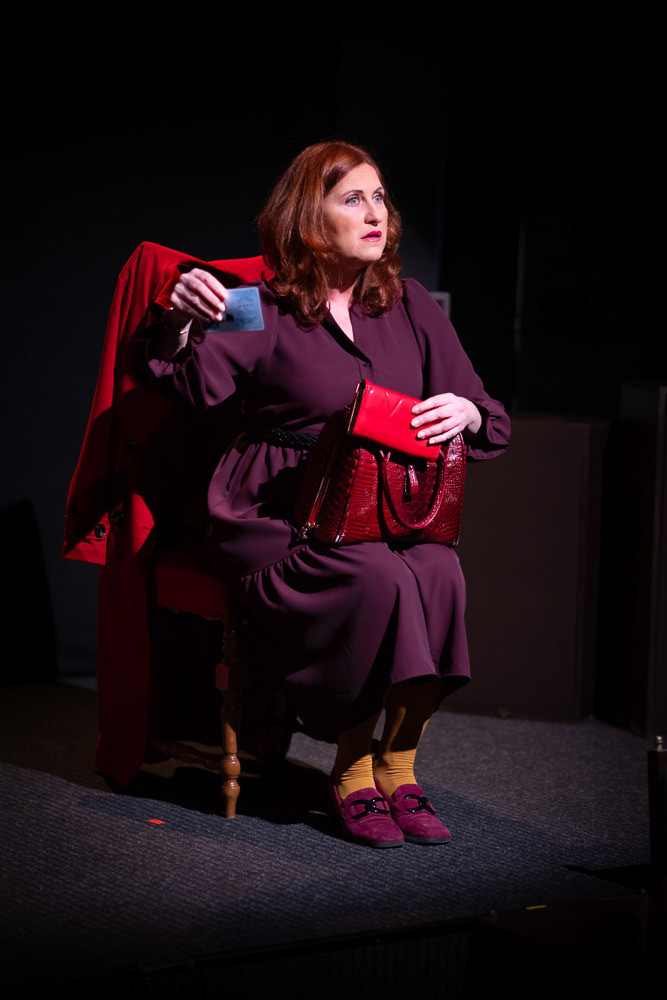
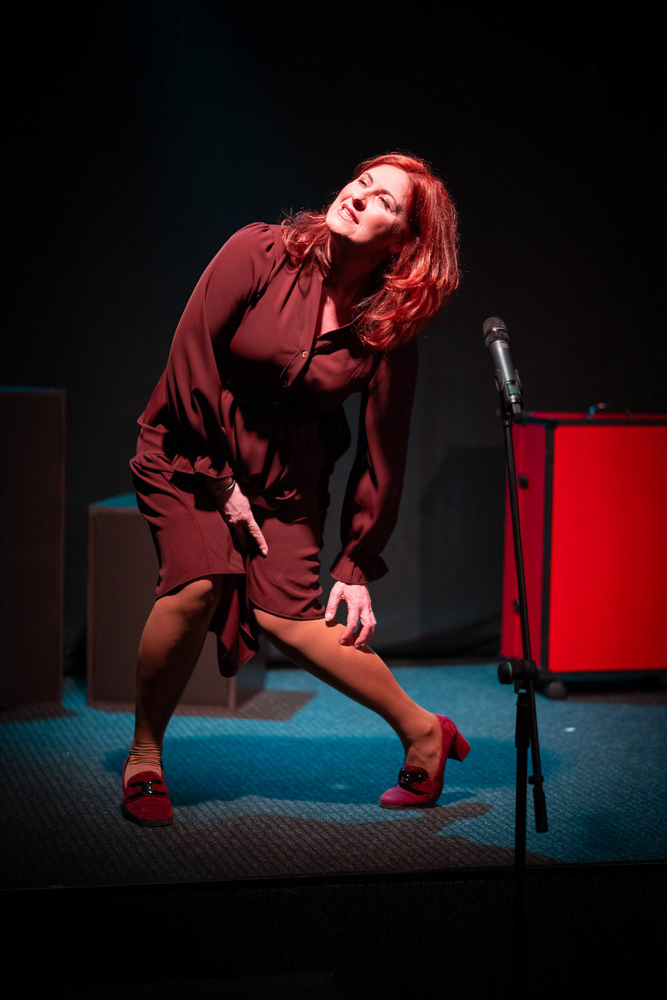
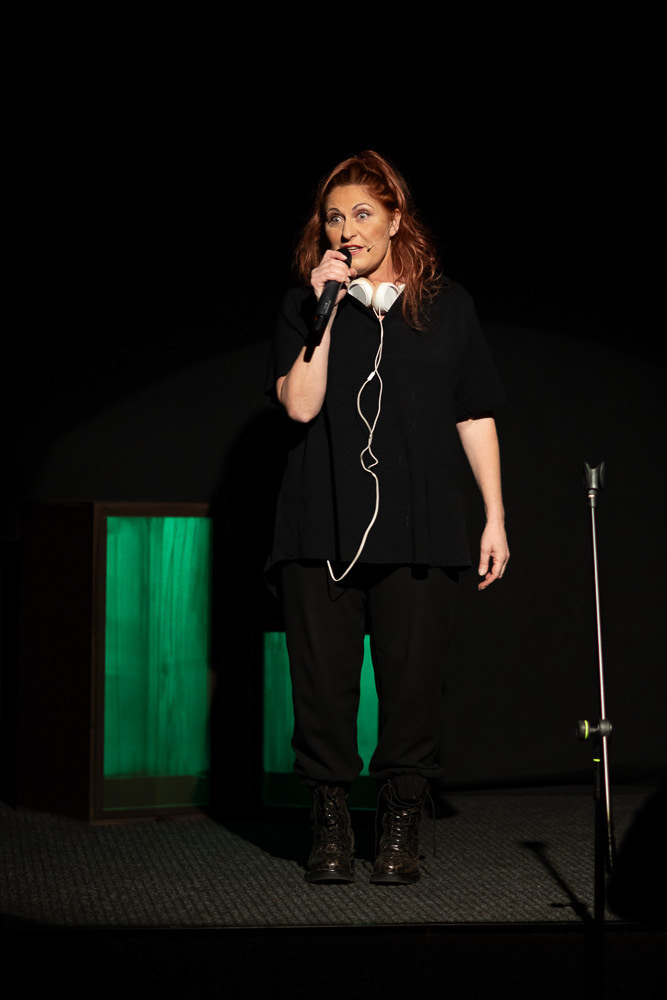
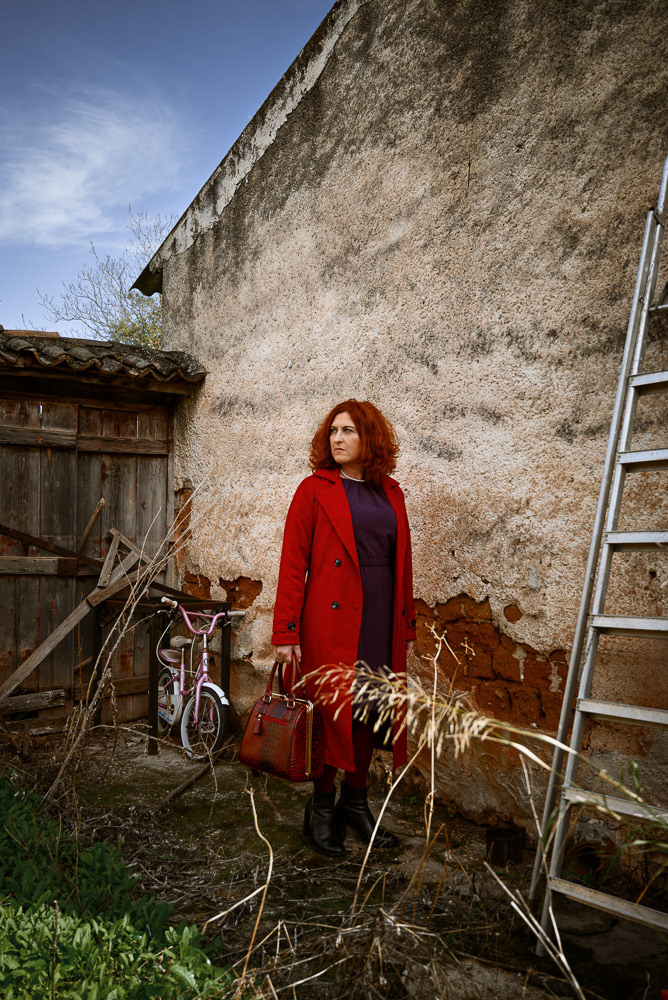
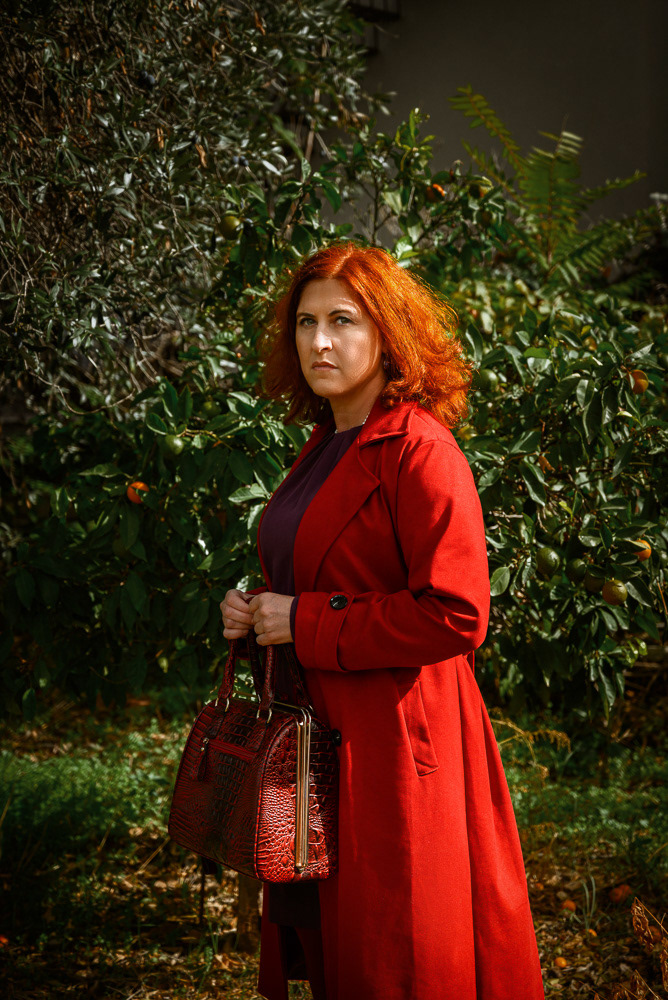
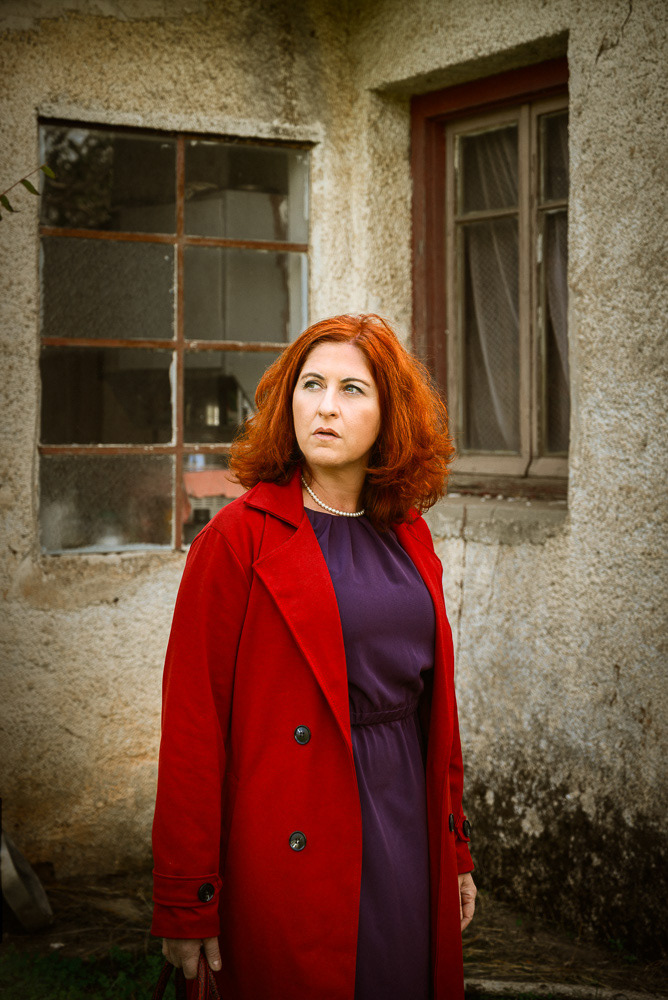
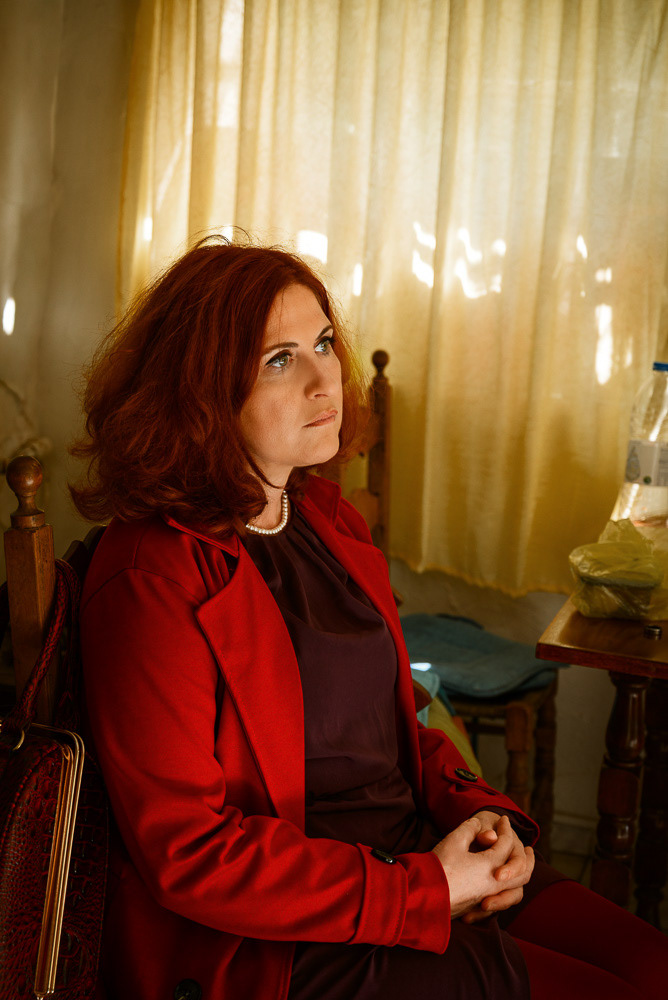
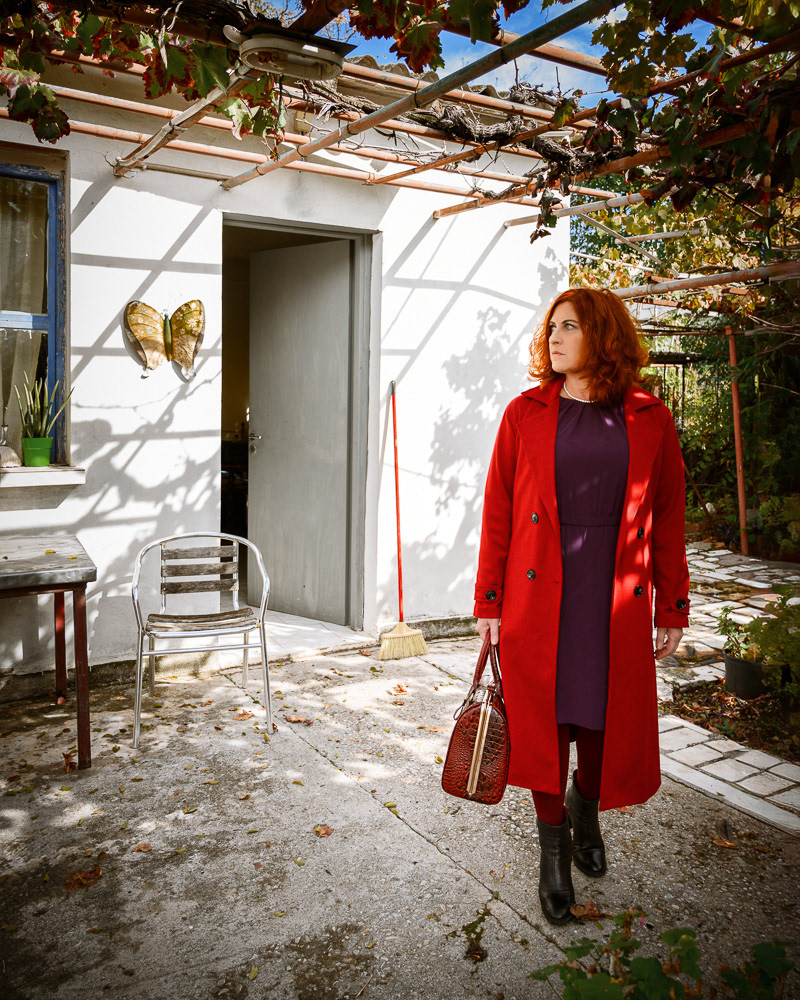
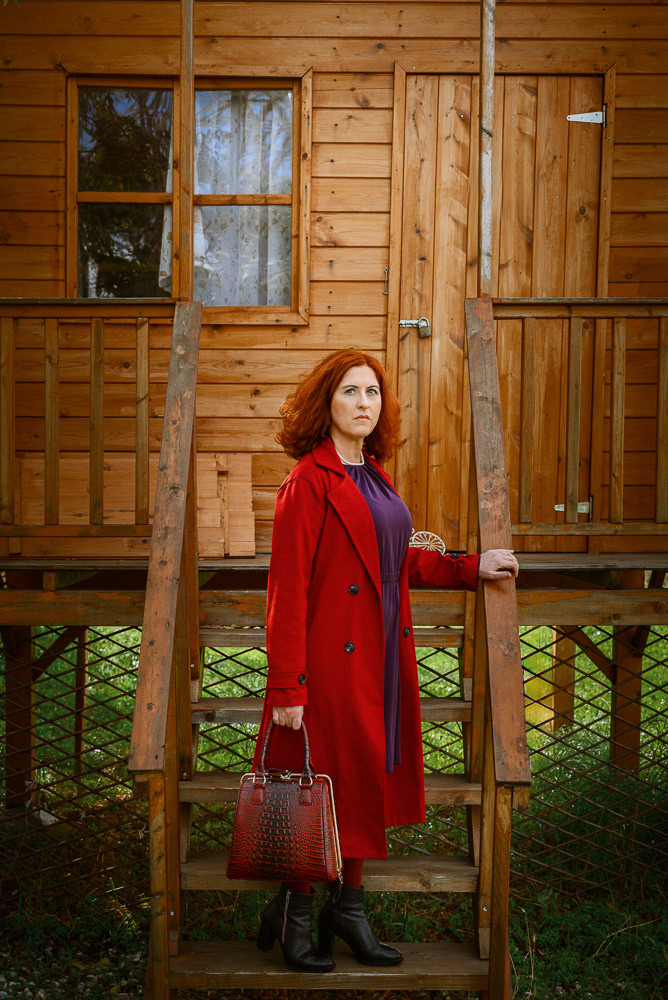
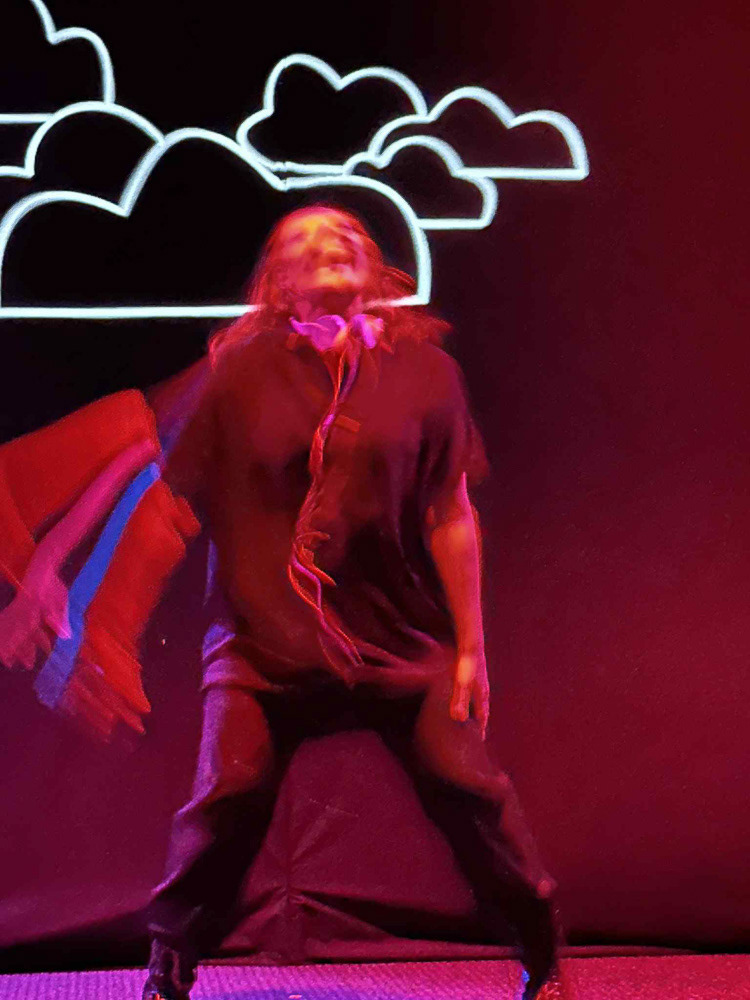
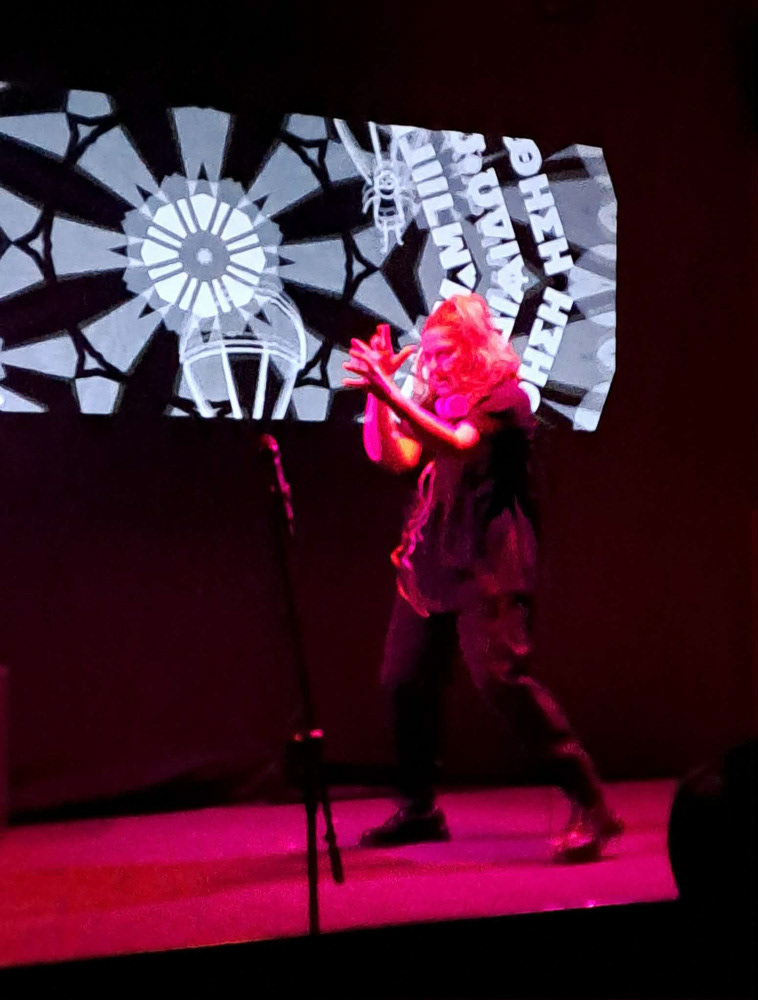
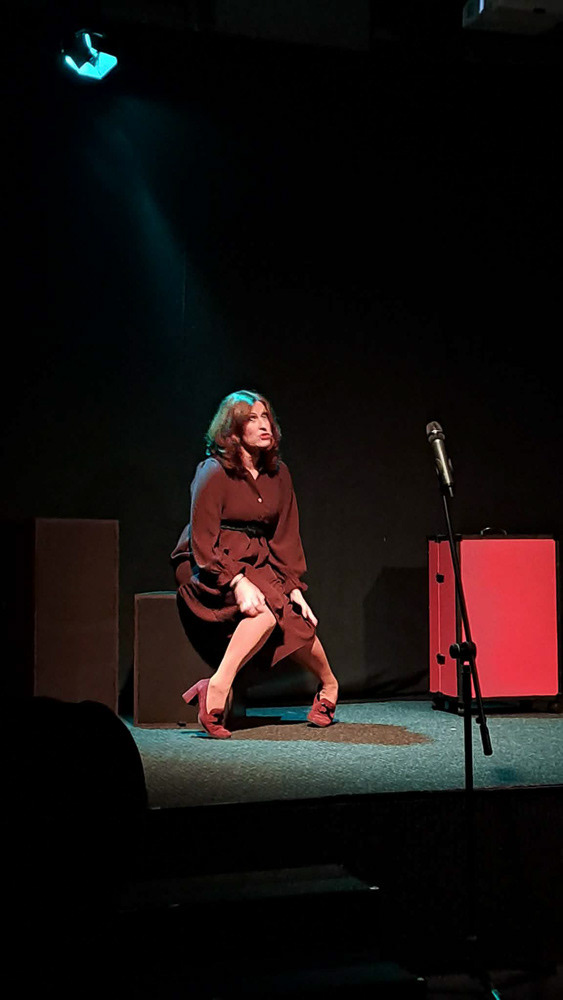
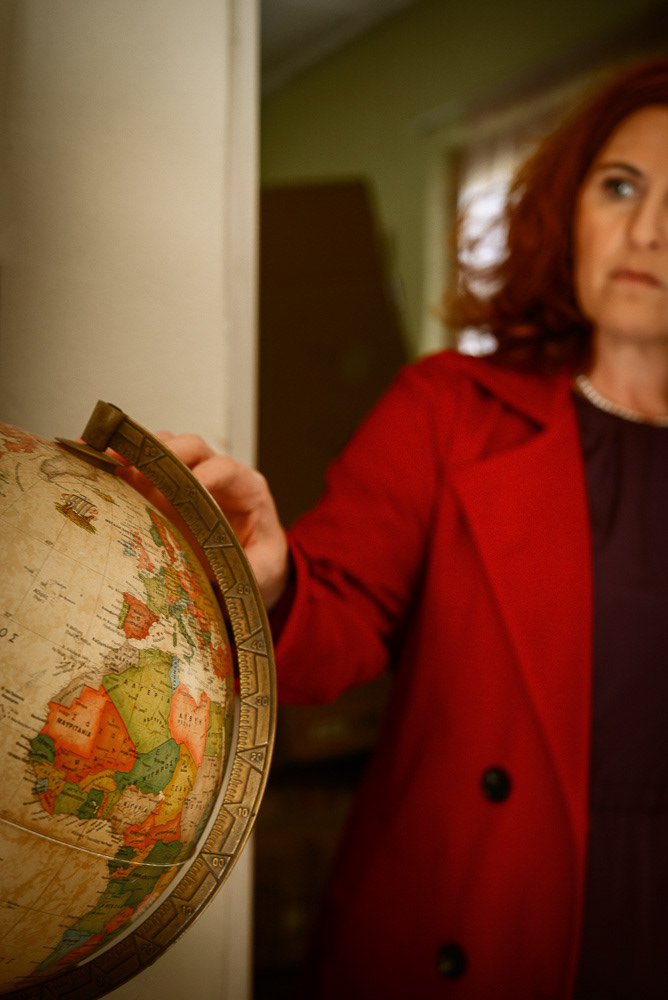
"Mother Tongue" is a bold and intimate theatrical work that blends stand-up comedy, spoken word poetry, video art and animation, and sound design to explore memory, language, and survival.
This one-woman show moves fluidly between the present and the past of Skyler Doukas, a middle-aged Greek stand-up comedian who migrated to England at a young age for personal reasons. After 30 years of living and working in London, she returns to her homeland and confronts the traumatic experiences that shaped her life. Armed with humour and unflinching honesty, Skyler embarks on an intense journey of self-redefinition and reconciliation with her past, navigating her complex relationship with her mother, the tender memory of her deceased father, and the trauma inflicted by her mother’s partner.
The performance explores the power of the mother tongue and its deep connection to memory, addressing themes of homeland, unfulfilled desire, grief, sexual abuse, migration, language, and the enduring impact of trauma. A central directorial challenge lies in balancing the comic and tragic dimensions of the narrative, while negotiating the subtle interplay between two languages. The aim is to create a shared space between performer and audience, where the heroine’s experiences—at times painful, at times humorous—are embodied and revealed within an intense and immersive present.
The Story Behind Mother Tongue
The origins of Mother Tongue date back to 2008, when an early short story introduced a protagonist with striking behavioural traits. Although only loosely sketched at the time, the character continued to evolve across multiple forms: a short film script, subsequent short stories, and even a fairy tale. During the COVID-19 lockdown, this long creative process culminated in the writing of the present monologue.
Credits
Text / Direction / Performance: Georgia Tsangaraki Assistant Director: Viktoria Kokkiza Design and Animation: Zina Papadopoulou Music Composition & Soundscapes: Stefanos Giakoumakis Lighting Design: Maria Athanasopoulou Photography and Video: Haris Germanidis
Testimonials :
“I’m not someone who praises easily. Mother Tongue is outstanding.
A remarkable text and a powerful performance — direct, honest, essential, and deeply enjoyable.” Stelios T.
A remarkable text and a powerful performance — direct, honest, essential, and deeply enjoyable.” Stelios T.
“An intimate and urgent monologue: fast-paced, sharp, and experiential.
The performance is pure dynamite — intelligent, finely crafted, and exhilarating.” Maria A.
The performance is pure dynamite — intelligent, finely crafted, and exhilarating.” Maria A.
“A demanding role that exposes deep emotional wounds.
A fearless monologue performed by a truly exceptional talent.” Nina P.
A fearless monologue performed by a truly exceptional talent.” Nina P.
“Contemporary theatre at its best — where language moves between signifier and meaning, raising both personal and social questions.
Is there such a thing as ‘mother tongue’ as we once knew it?” Olga P.
Is there such a thing as ‘mother tongue’ as we once knew it?” Olga P.
“One person, two languages, many voices, and even more emotions.
A gripping performance that stays with you.” Dimitra A.
A gripping performance that stays with you.” Dimitra A.
“profoundly moving — not because it ‘confesses’ or indulges in emotional display, but because it speaks truths without pretence and without emotional coercion.”
“Georgia Tsangaraki’s stage presence is profoundly truthful and generous.
She makes us laugh, move, and cry — all in perfect balance.” Venetia B
She makes us laugh, move, and cry — all in perfect balance.” Venetia B
“A masterpiece that holds the audience fully present from the first second to the last.” Sofia I.
“A dark yet luminous inner world, where hope quietly persists.
Tsangaraki walks her own artistic path — and draws the audience into it inevitably.” Caterina B
Tsangaraki walks her own artistic path — and draws the audience into it inevitably.” Caterina B
“A powerful bilingual monologue that shifts between English and Greek, honouring female experience and human vulnerability.” Sandra J.
“Through humour and raw honesty, the play confronts time, childhood trauma, motherhood, loss, and forgiveness — revealing the strength hidden within sensitivity.”
“With minimal scenography and absolute trust in text and performance, Mother Tongue proves that theatre needs no excess to be profound.” Neni M
“Skyler Doukas is a character who touches the most delicate emotional strings.
A performance of rare intensity and courage.” Mario I.
A performance of rare intensity and courage.” Mario I.
“I am still under the spell of her incredible energy — a powerful, pulsating monologue that can hardly be called a monologue at all, as Georgia Tsangaraki moves in and out of a multitude of roles with ease and absolute precision, always knowing exactly where she stands and which emotional position she embodies.” Charitini K.
“Tsangaraki has a remarkable ability to create entire worlds on stage and invite you to step into them and live inside them with her.” Chara L.
“Trauma, language, and healing find a way to interweave through an explosive and unpredictable stand-up form. Highly recommended.” Athena P.
“It is rare to encounter performers on stage with such an astonishing capacity for transformation — performers who make everything feel utterly real, as if theatre itself becomes a vast truth.” Smaro M.
“In which language, after all, can such truths be articulated? Is there a mother tongue that can withstand the trauma of an entire society? Or is it another language — or perhaps the raw, first language spoken by the body itself?” Dimitra L.
Interview for Theatre.gr
1. What was the starting point for the creation of Mother Tongue and how does the play relate to your personal experiences?
Many years ago, in 2008 to be precise, I wrote a short story whose protagonist was a heroine with very interesting behavioral traits. Her personality, which was only faintly outlined in that first text, intrigued me, and I continued to develop her through different forms of writing. Her story became a short film script (which was never produced), a new short story, a fairy tale, and eventually—after the encouragement of a filmmaker friend of mine, it turned into a monologue which I wrote during the COVID lockdown.
Are there similarities between me and Skyler Doukas? Yes, quite a few, though not her core defining facts. For example, we are the same age; I also studied in London and love the English language—I feel it as something familiar and intimate; I have worked as a comic actress; I grew up in a house with a garden and farmland. Other elements that define and, I would say, have marked her—such as the death of her father at a young age and an abusive stepfather—are fictional choices, selected to justify Skyler’s behavior and life decisions.
As I mentioned, she occupied me deeply for many years. It was a story that asked to be told through me.
As I mentioned, she occupied me deeply for many years. It was a story that asked to be told through me.
2. How do you balance the performance between stand-up comedy and the traumatic memories of the heroine?
Skyler Doukas is a stand-up comedian—that is her profession. The real question might be how a person with such traumatic experiences chooses to become a comedian. I don’t have a definitive answer. However, while writing the play, the decision to make the heroine a comic performer brought me relief and allowed me to tell her story in a less painful way.
The balance is delicate, both in writing and in performance, I must admit. But humor undoubtedly creates a bridge—a breath that runs through the story in a liberating way.
The balance is delicate, both in writing and in performance, I must admit. But humor undoubtedly creates a bridge—a breath that runs through the story in a liberating way.
3. What role does the alternation between English and Greek play in the stage narration, and how does it contribute to the creation of a “third language”?
Theatre—and art in general—is ideally another language of communication, one that bridges cultures, linguistic idioms, and ways of thinking. In this sense, I propose the idea of a “third language” as a metaphor for the power of art and non-verbal communication that can exist within a performance.
The body, thought, and emotion can function as an autonomous expressive medium, becoming a common ground for everyone present, regardless of language.
The body, thought, and emotion can function as an autonomous expressive medium, becoming a common ground for everyone present, regardless of language.
The alternation between English and Greek in the play is a crucial dramaturgical choice, as it corresponds to the heroine’s inner state. Skyler has “rejected” her mother tongue because her mother—and by extension her motherland—betrayed her by failing to protect her. She therefore adopts a new language, one in which she feels safe, away from the traumatic events that shaped her while she was speaking Greek, her mother tongue.
However, upon returning to her homeland, memories resurface—and with them, the mother tongue. The result is a necessary coexistence of the two languages within the heroine’s inner landscape and, consequently, within the stage narration.
However, upon returning to her homeland, memories resurface—and with them, the mother tongue. The result is a necessary coexistence of the two languages within the heroine’s inner landscape and, consequently, within the stage narration.
4. In what way do animation and spoken word enhance the dramaturgy of the monologue?
Wearing my director’s hat, I felt the need to find a way for the heroine to engage in dialogue with the difficult memories that emerge upon her return. Last spring, I had a sudden revelation and began to imagine this dialogue unfolding through the form of animation. Animation can be simultaneously innocent and revealing, and I wanted to explore that duality.
Another tool for dialogue is the musical composition and the soundscapes that inhabit the heroine’s mind and heart. Spoken word poetry is a form of performance art that combines oral storytelling with poetry, emphasizing vocal delivery, body language, and emotional expression in front of an audience. Unlike traditional poetry, which is meant to be read, spoken word is designed to be heard and performed, and it often addresses issues of social justice, personal experience, and identity.
Truthfully, I did not have this form in mind while writing the play. I only discovered that it was already embedded in the text once the writing was complete and the stage research began. Ultimately, I believe this choice is connected to the heroine’s psychological transition: as she comes into contact with her deepest emotions, she is also confronted with the need to express them publicly. Thus, she transforms from a stand-up comedian into a carrier of spoken word poetry, creating a different kind of stand-up dramedy performance.
Another tool for dialogue is the musical composition and the soundscapes that inhabit the heroine’s mind and heart. Spoken word poetry is a form of performance art that combines oral storytelling with poetry, emphasizing vocal delivery, body language, and emotional expression in front of an audience. Unlike traditional poetry, which is meant to be read, spoken word is designed to be heard and performed, and it often addresses issues of social justice, personal experience, and identity.
Truthfully, I did not have this form in mind while writing the play. I only discovered that it was already embedded in the text once the writing was complete and the stage research began. Ultimately, I believe this choice is connected to the heroine’s psychological transition: as she comes into contact with her deepest emotions, she is also confronted with the need to express them publicly. Thus, she transforms from a stand-up comedian into a carrier of spoken word poetry, creating a different kind of stand-up dramedy performance.
5. What was the greatest challenge in approaching a work that combines comedy, trauma, and linguistic duality?
The word I would use is balance. We are dealing with contrasts and with mental programming. What am I watching now—comedy or drama? And in which language—English or Greek?
The greatest challenge was first to find this balance at the writing stage: how much, when, and where these contrasts should appear so that they serve the narrative. Then, on a directorial level, I was deeply concerned with measure and clarity, so that these contrasting choices would be intelligible to the audience.
The stage narrative is like a boat, which ideally has room for both audience and performers and carries them across the same sea. Finally, as an actress, I tried to internalize these contrasts of style and language, essentially embodying the trauma-split personality of the heroine.
The stage narrative is like a boat, which ideally has room for both audience and performers and carries them across the same sea. Finally, as an actress, I tried to internalize these contrasts of style and language, essentially embodying the trauma-split personality of the heroine.
6. To what extent did your experience of living abroad influence both the development of your heroine and the thematic focus on language and memory?
After graduating from the National Theatre of Greece, I continued my studies in London. That was a long time ago, and I did not stay very long. However, in recent years I have been working extensively abroad as a director and theatre educator.
I am therefore very familiar with the English language and with engaging artistically with international collaborators.
I am therefore very familiar with the English language and with engaging artistically with international collaborators.
While writing the play, I reconnected with my memories abroad, but mainly with my memories here. What would I remember most vividly if I truly lived abroad? My grandmother’s house, the field with the trees, the objects of my childhood. My childhood love and my childhood best friend. My adolescence in old Athens.
As for language, the play was initially written mostly in Greek. As the work progressed, I discovered the safe distance that a foreign language can provide to a person who has experienced trauma. Very organically, this led me to the heroine’s need to negotiate her life through English as her primary language of communication.